How Propane Supports Traverse City’s Climate Goals: Cleaner, Cheaper, Ready Now
Traverse City's Climate Plan Is Bold—But Is It Balanced?
Traverse City is one of Michigan’s hottest summer destinations—and propane is already playing a role in making it run. From backyard grills to food trucks at summer festivals, propane is integral to daily life in the north. As the city advances its climate goals, it’s worth remembering how this familiar, efficient fuel can also support long-term sustainability.
Traverse City’s 2025 Climate Action Plan aims for 100% renewable electricity by 2040, with investments in solar, battery storage, and grid upgrades, including fiber expansion. Starting in July 2025, TCLP will also launch an energy coach pilot to assist residents, primarily low-income households, with energy-efficiency upgrades, including insulation and heat pumps.
However, as the city pushes for electrification, one clean and practical energy resource is being overlooked: propane. Much of the city’s climate plan for the transportation sector aims to shift the city’s infrastructure toward a “people-centric street design.” While a measure to increase foot traffic is an effective solution to reducing emissions, opting for a cost-effective vehicle solution, such as utilizing propane vehicles for the city’s fleet, would further their green initiative cost-effectively.
Propane Delivers Comparable Emissions Benefits
With no need for charging infrastructure, propane buses still offer 150+ metric tons of CO₂ reduction annually — a compelling, lower-cost path to clean transportation.
Source: GREET Model (2022), Argonne National Laboratory, Traverse City Light & Power Generation Data (Jan 2023)
What About Residential Emissions?
Energy Coach Pushes Heat Pumps Over Delivered Fuels
TCLP’s energy coach pilot encourages heat pump upgrades and the use of electric appliances. However, while beneficial in many homes, TCLP’s strategy treats propane as a baseline fossil fuel to transition away from, which may overlook its role in providing grid-independent, affordable heating for rural homes.
Why Propane Aligns with Traverse City's Clean Energy Vision
Cleaner, Affordable, and Grid-Independent
- Lower greenhouse gas emissions than diesel
- Over 90% NOₓ reduction compared to diesel
- Fast deployment and reliable performance in cold climates
- No grid upgrades needed—ideal for rural heating
- Renewable propane is entering the Michigan market
Local fleet operators across Michigan are already switching to propane, citing reduced emissions, lower costs, and easier maintenance. These real-world success stories demonstrate how propane performs reliably even in harsh weather and high-mileage conditions, making it a practical clean-energy partner for Traverse City.
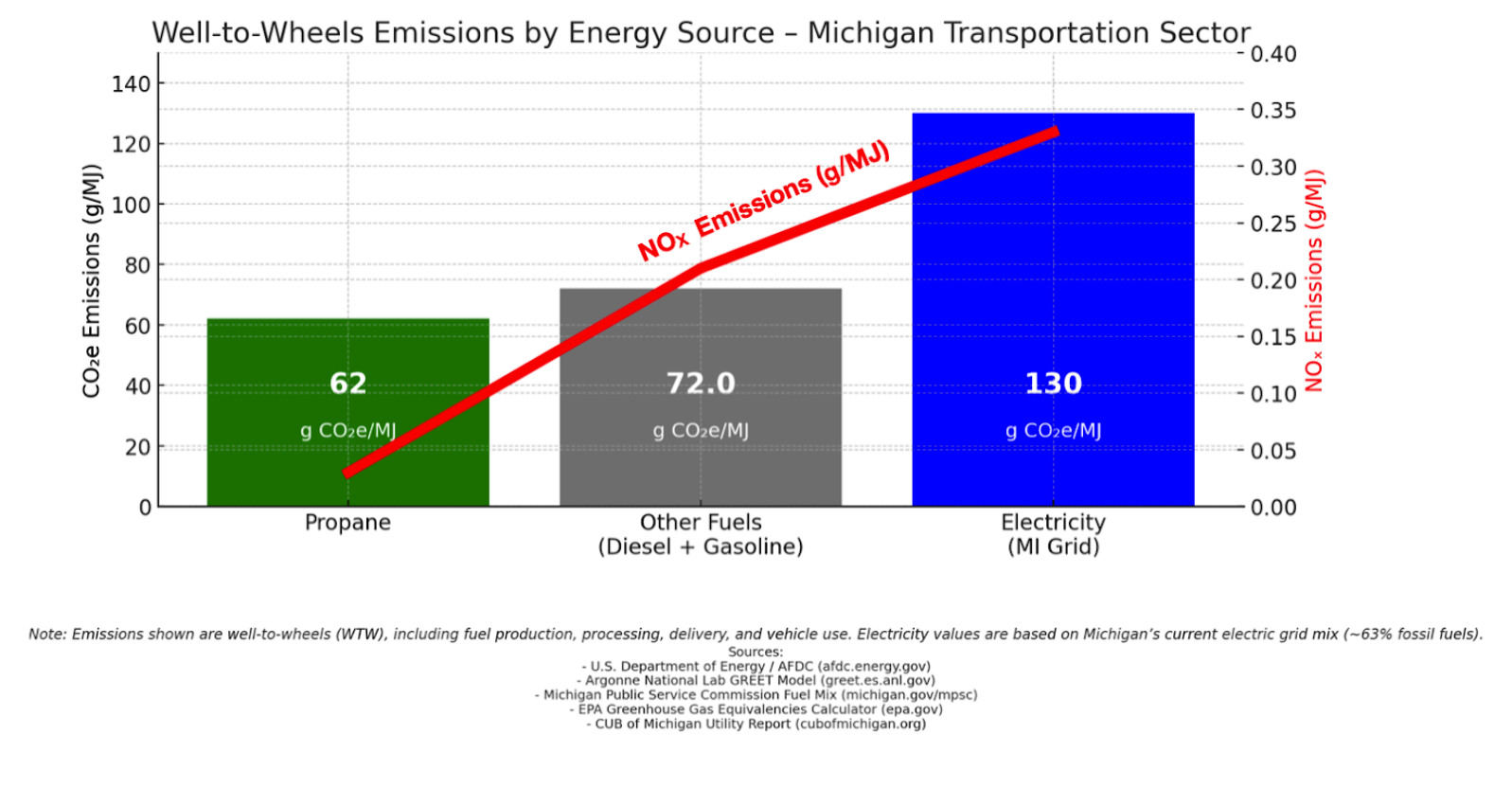
Click Image to Enlarge
Balancing the Push: Electrify Smartly, Use Propane Wisely
The city’s energy plan emphasizes electrification, but a more balanced approach could include low-emission propane, especially for schools, transit, and rural housing.
What the Plan Overlooks: Public and School Fleets
The TCLP Climate Action Plan outlines a strong commitment to electrification and recommends that local governments, schools, and transportation providers be included in future energy optimization programs, which may include electrifying fleet vehicles. However, the plan offers no detailed strategy or timeline for decarbonizing school buses or municipal fleets.
Propane Can Help Fill the Fleet Gap
This leaves room for complementary, lower-cost solutions, such as propane, to help jump-start emissions reductions in sectors facing cost, infrastructure, or reliability challenges.
The School Bus Opportunity: Propane vs. Alternatives in Traverse City
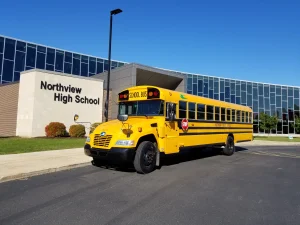
Traverse City Area Public Schools operates nearly 100 diesel-powered buses. Both propane and electric buses offer cleaner alternatives, but they differ significantly in cost. According to industry data and federal estimates, electric school buses can cost more than twice as much as propane models, with additional expenses for charging infrastructure. For a district like TCAPS, that could mean tens of millions in savings while still significantly cutting greenhouse gas and NOₓ emissions.
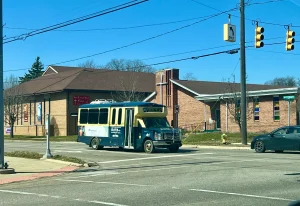
And Traverse City doesn’t need to start from scratch. The Bay Area Transportation Authority (BATA) already operates propane-fueled vehicles, providing a regional proof of concept for cold-climate, high-mileage fleet performance.
Learn More About Propane’s Role in Clean Energy
Explore how renewable propane fits in Michigan’s transition at MiCleanPropane.com. For fleet insights and cost-saving calculators, visit MiAutoGas.com.