Propane: A Green Fuel That Lowers Energy Costs
The Road to Achieving Big Climate Goals in West Michigan
The City of Grand Rapids is accelerating its response in the wake of concerns about maintaining Michigan’s environment. With a new Climate Action & Adaptation Plan (CAAP) finalized in late 2024, the city has committed to reducing greenhouse gas emissions by 62.8% by 2030 and achieving carbon neutrality by 2050. In 2024, its commission approved a plan targeting carbon neutrality for municipal operations by 2040.
However, while full electrification of vehicles and homes is the headline, the CAAP climate plan underscores the need for flexible, resilient energy systems.
Enter propane, which offers reliability, affordability, and real emissions reductions now.
Propane Delivers a Cleaner Grand Rapids
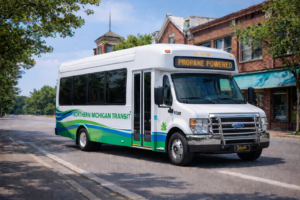
Propane heats rural homes and fuels over 30,000 Michigan fleet vehicles like the ones this city uses for part of its public transportation system. According to the EPA and the Department of Energy, it is a clean power source. Grand Rapids is already seeing the environmental benefits of switching– the city’s propane bus system has very low emissions and supports the goals of CAAP.
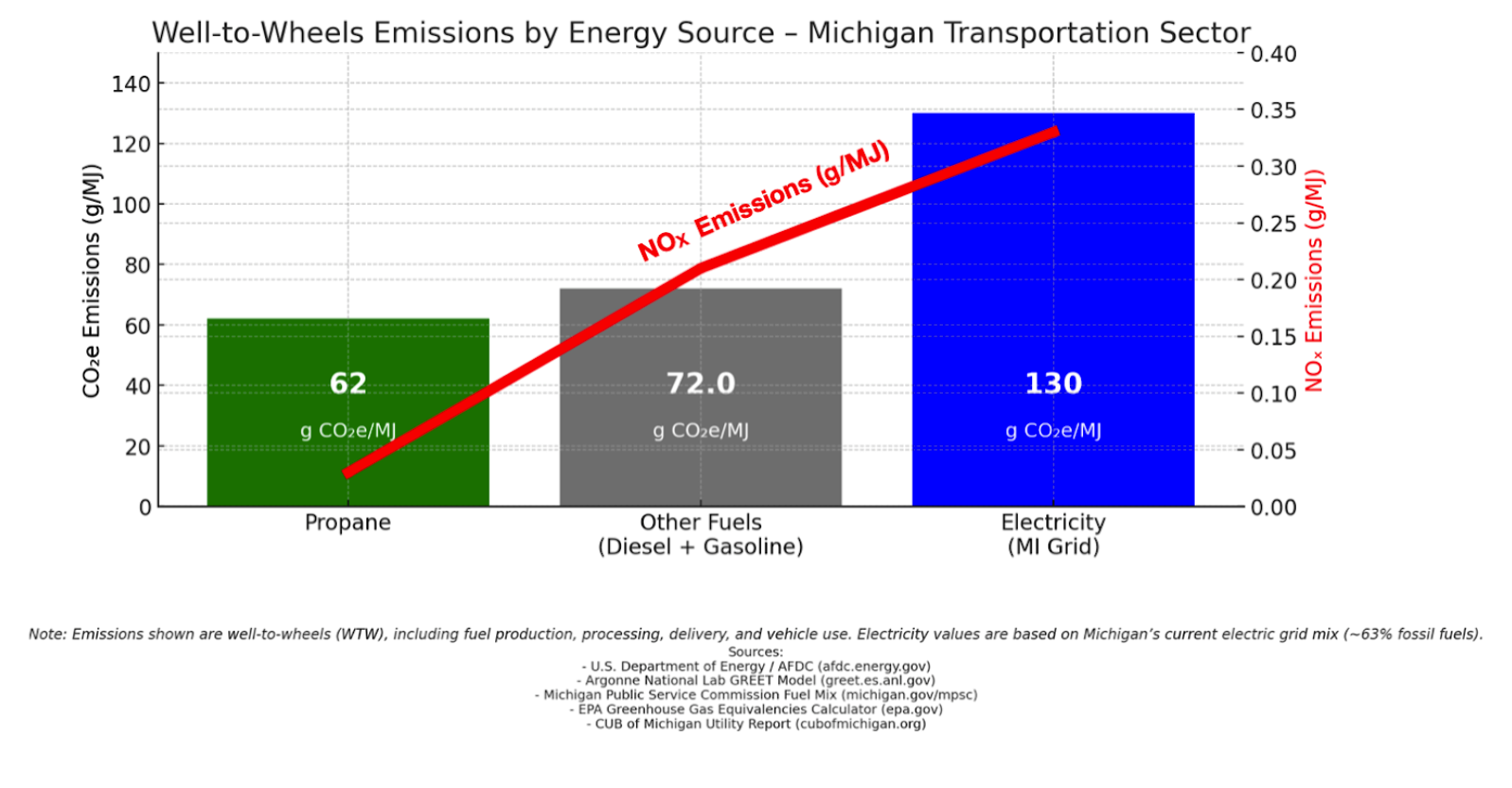
EV fleet vehicles are not as clean as propane vehicles. While EVs produce no tailpipe emissions, the electricity powering them is not a clean energy source. Michigan’s electric grid still depends heavily on fossil fuels and will continue to do so for the foreseeable future. Fully electrifying Grand Rapids’ 158 buses would actually increase citywide emissions by an estimated 16 metric tons per year compared to propane.
Click Image to Enlarge
Cleaner Than Diesel, Ready Today
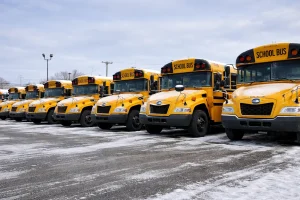
Propane already delivers lower lifecycle greenhouse gas emissions than diesel and gasoline. It emits 13% less CO₂ and significantly less NOₓ and particulate matter, making it a proven tool for improving air quality. When used in school buses, delivery fleets, or generators, propane reduces NOₓ emissions by over 90% and significantly cuts CO₂ per mile, all without reliance on grid connectivity.
With renewable propane entering the Michigan market, the fuel’s long-term viability increases significantly. Renewable propane can reduce lifecycle greenhouse gas (GHG) emissions by up to 60%, making it fully compatible with local carbon reduction targets.
For a fleet as large as Grand Rapids’, propane’s savings are a given. Electric vehicles in Michigan have a significant carbon footprint due to the large amount of coal used to charge them.
Saving Money for Grand Rapids with Propane
Propane vehicles are about half as expensive as EVs. They also cost less to fuel and maintain.
The federal government is making it easy for Grand Rapids to switch to propane. The Federal Transit Administration offers grant funding for the city to expand or replace its bus and truck fleet. These federal funds can be used to purchase propane vehicles and propane fueling pumps. By expanding the city’s propane fleet with FTA funding, the city can reduce fleet costs, lower emissions, and move closer to its climate goals, all without overloading the grid.
Supply Chain Concerns with Electric
Propane is the most widely used alternative fuel in the U.S. While EVs hold great promise, their supply chain has serious social and environmental impacts. A Harvard researcher recently highlighted that 75% of cobalt for EV batteries comes from militia-controlled mines in the Congo, using forced adult and child labor. These realities deserve discussion alongside our local sustainability goals.
Learn More About Propane’s Role in Clean Energy
Explore how renewable propane fits in Michigan’s transition at MiCleanPropane.com. For fleet insights and cost-saving calculators, visit MiAutoGas.com.